 delishing
How to Make Buttermilk at Home: 4 Proven Methods

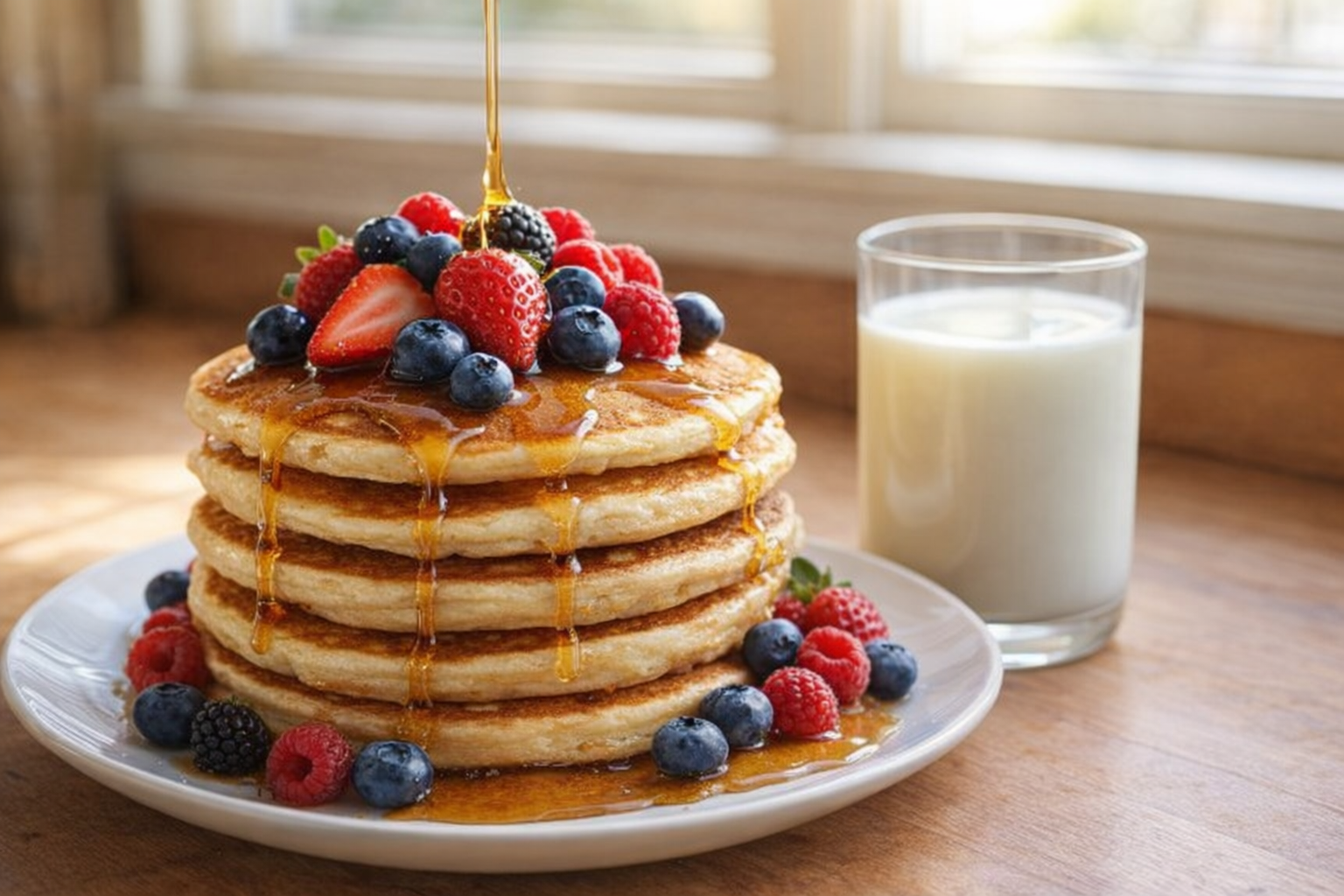
Buttermilk, with its characteristic tangy flavor, is a cornerstone ingredient in many beloved recipes, from fluffy pancakes to crispy fried chicken. That subtle acidity tenderizes gluten in baked goods, lending a light, airy texture while adding depth of flavor. Understanding how to make buttermilk at home provides culinary independence, ensuring you're never sidelined when a recipe calls for this unique ingredient.
This guide provides four reliable methods for creating buttermilk substitutes, tailored to different needs and ingredient availability. Each method leverages readily available pantry staples to deliver the essential tangy quality of buttermilk, enabling you to confidently tackle any recipe that calls for it. We'll explore the science behind each technique and offer tips for achieving the perfect consistency and flavor.
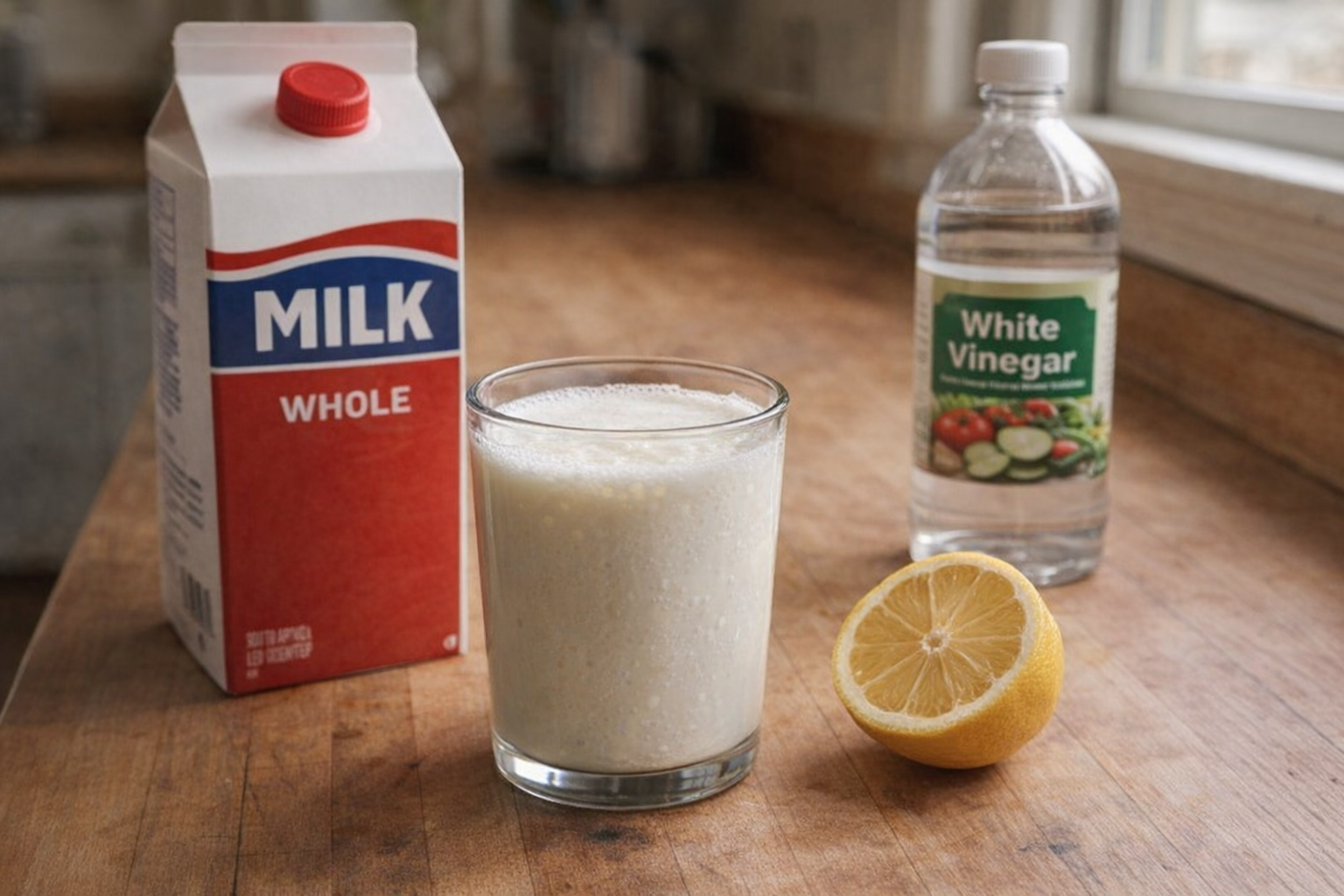
Understanding Buttermilk
Real buttermilk is the liquid left behind after churning butter from cream. This process leaves a thin, tangy liquid that's rich in flavor. Today, however, most commercially available "buttermilk" is cultured buttermilk, made by adding bacteria to milk to mimic the natural fermentation process. For our purposes, we are creating substitutes that replicate the acidity and texture buttermilk provides in recipes.
When making buttermilk at home, you have choices for the base. Whole milk provides the closest flavor and richness to traditional buttermilk, but 2% or even skim milk can work in a pinch. Yogurt or sour cream can also contribute to the thickness and tang. The type of acid used – lemon juice, vinegar, or cream of tartar – will subtly alter the flavor profile. Experiment to find your preferred combination.
Why Make Buttermilk This Way?
- Versatility: Homemade buttermilk substitutes work seamlessly in baking, sauces, marinades, and more.
- Flavor: The tanginess enhances sweet and savory dishes, adding complexity that elevates the overall taste.
- Convenience: No need to run to the store; you can whip up a batch whenever you need it with ingredients you likely already have.
Preparation (Mise en Place)
Before beginning any of these methods, ensure your milk is at room temperature for better curdling. Measure out your ingredients precisely, as the ratios are crucial for achieving the right consistency and acidity. For the yogurt/sour cream method, allow the yogurt or sour cream to sit at room temperature for about 15 minutes to soften slightly, making it easier to mix.
Essential Tools:
- Liquid Measuring Cups: Accurate measurements are key, especially when substituting ingredients.
- Mixing Bowls: Choose a bowl that provides enough room for easy stirring without spills.
- Whisk or Spoon: A whisk is ideal for the yogurt/sour cream method, while a spoon works well for the others.
The Cooking Method(s):
We'll explore three quick and easy methods for creating buttermilk substitutes using common household ingredients, followed by a slower, more involved method for cultured buttermilk.
Method 1: Milk and Acid (Lemon Juice or Vinegar)
This is the quickest and most straightforward method for creating a buttermilk substitute.
Ingredients:
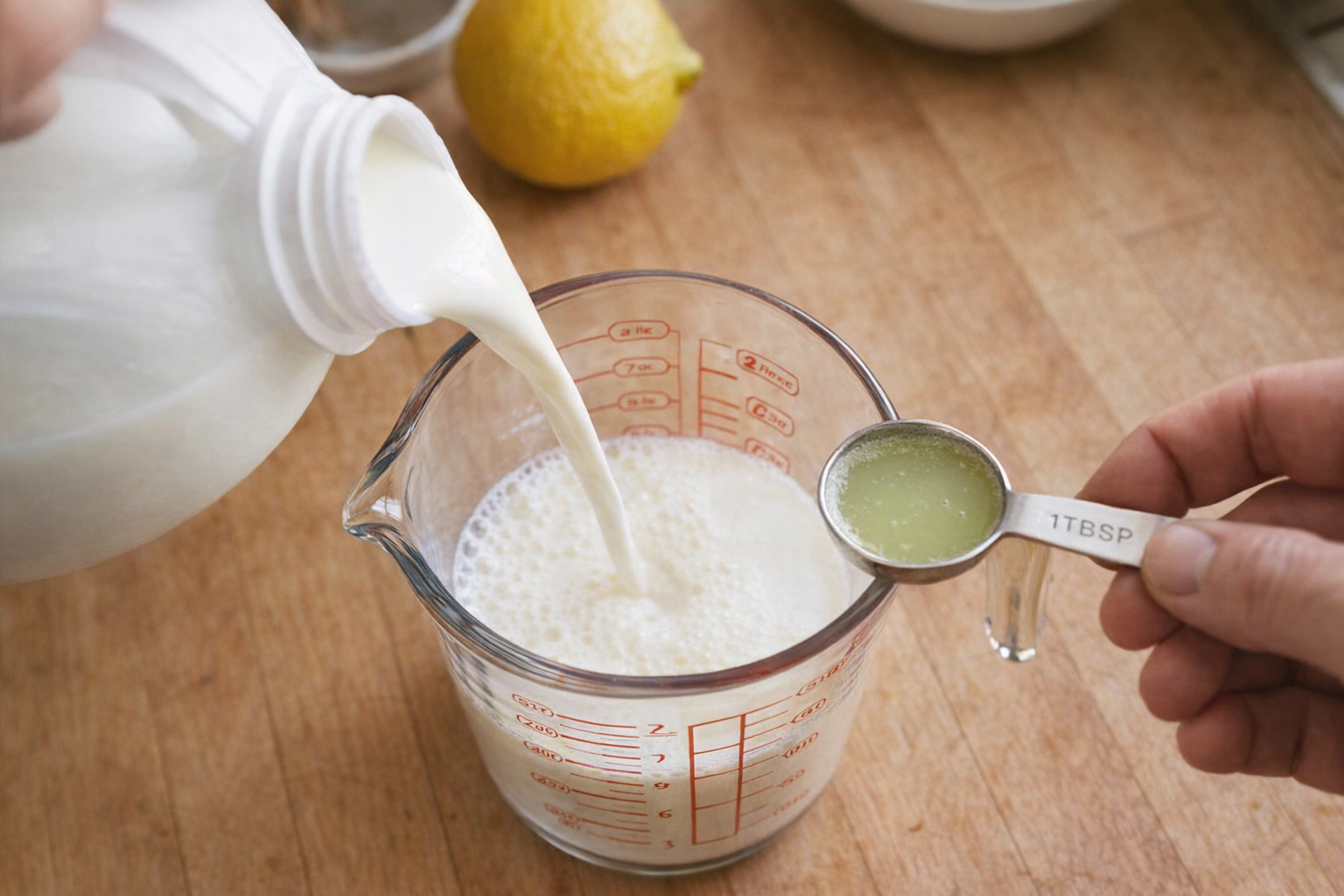
- 1 cup (240ml) whole milk (or 2%, 1%, or skim)
- 1 tablespoon (15ml) lemon juice or white vinegar
Instructions:
- Pour the milk into a liquid measuring cup or mixing bowl.
- Add the lemon juice or vinegar to the milk.
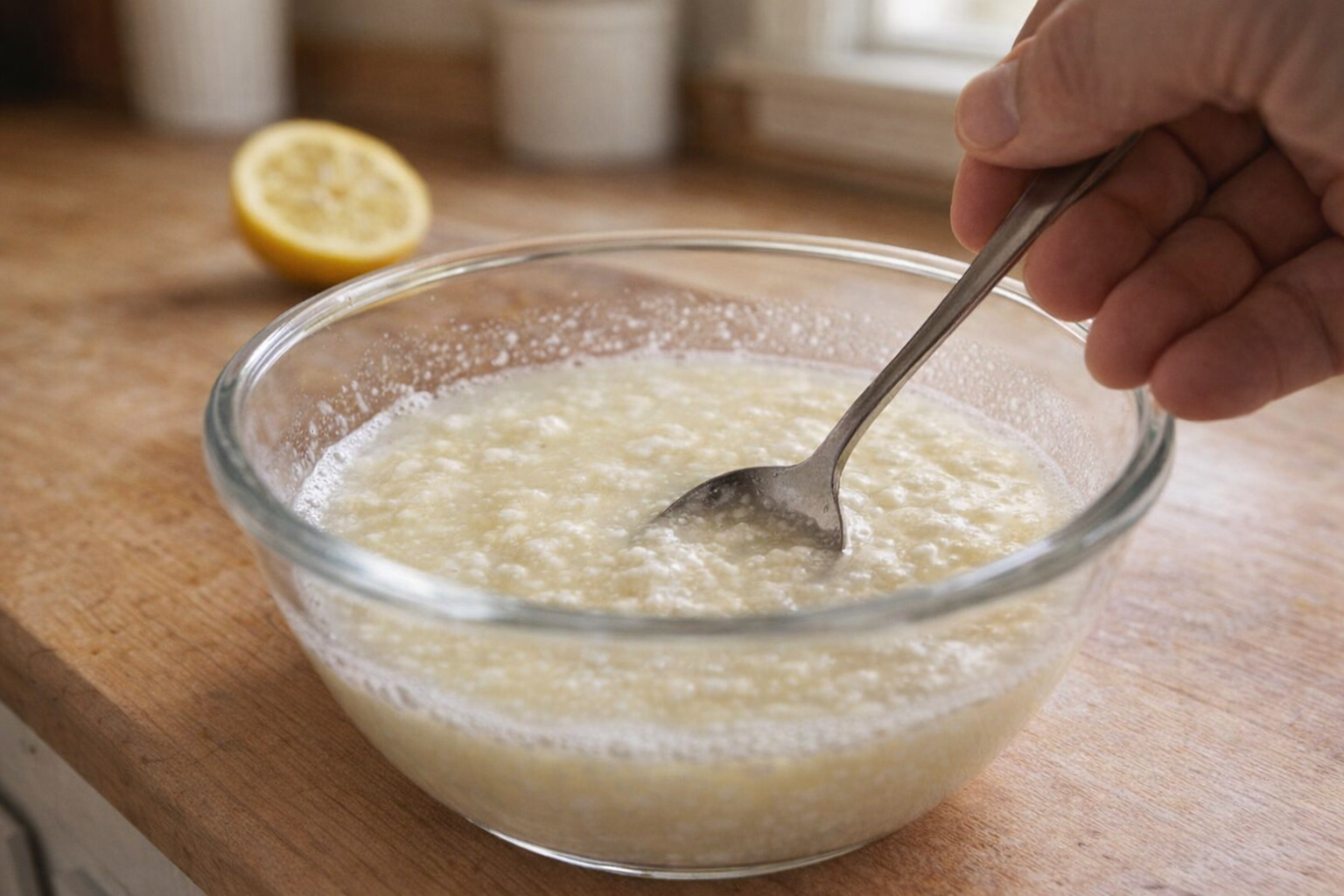
- Stir gently to combine. You'll notice the mixture starting to curdle almost immediately.
- Let the mixture stand at room temperature for 5-10 minutes. During this time, the milk will thicken slightly and develop a slightly sour aroma.
- Stir again before using. The mixture should have a slightly curdled appearance.
Method 2: Yogurt or Sour Cream and Milk
This method produces a thicker buttermilk substitute, ideal for recipes where a richer texture is desired.
Ingredients:
- 1/2 cup (120ml) plain yogurt or sour cream
- 1/2 cup (120ml) whole milk (or 2%, 1%, or skim)
Instructions:
- In a mixing bowl, combine the yogurt or sour cream and milk.
- Whisk vigorously until smooth and well combined.
- If the mixture is too thick, add a tablespoon of milk at a time until the desired consistency is reached. It should be pourable but slightly thicker than regular milk.
- Use immediately. This mixture doesn't require resting time.
Method 3: Cream of Tartar and Milk
This is a shelf-stable alternative that uses cream of tartar to provide the acidity.
Ingredients:
- 1 cup (240ml) milk (any kind)
- 1 1/2 teaspoons cream of tartar
Instructions:
- In a bowl, add the cream of tartar to the milk.
- Whisk until the cream of tartar is fully dissolved into the milk.
- Let the mixture sit for 5-10 minutes. During this time, the mixture will thicken ever so slightly and take on a subtle tangy aroma.
- Stir before using.
Method 4: Cultured Buttermilk (24 Hour Method)
This method creates true cultured buttermilk with a richer flavor and thicker consistency, but requires patience.
Ingredients:
- 2 tablespoons store-bought cultured buttermilk
- 1 cup (240ml) whole milk
Instructions:
- In a clean glass jar, combine the store-bought buttermilk and the milk.
- Stir well to combine.
- Cover the jar loosely and let it sit at room temperature for 24 hours.
- After 24 hours, the mixture should have thickened and have a distinctly tangy aroma.
- Refrigerate to stop the culturing process. This homemade cultured buttermilk can be used to make more batches!
Cooking Time & Doneness Guide:
The first three methods do not require "cooking." The key is the resting time, which allows the acid to react with the milk proteins. For the cultured buttermilk method, the 24-hour resting period is crucial for the fermentation process.
Visual Cues:
- Slight thickening of the milk.
- Visible curdling (small lumps) in the milk.
- A noticeably sour or tangy aroma.
Tips for Perfection:
- Use Room Temperature Milk: Cold milk doesn't curdle as effectively.
- Don't Over-Stir: Gentle stirring is all that's needed. Over-stirring can prevent proper curdling.
- Adjust Thickness: If your buttermilk substitute is too thick, add a tablespoon of milk at a time until you reach the desired consistency.
- Trust Your Senses: The best way to determine if your buttermilk substitute is ready is to look for the visual cues and smell for the characteristic tangy aroma.
Storage & Reheating:
Homemade buttermilk substitutes are best used immediately. However, they can be stored in an airtight container in the refrigerator for up to 24 hours. The cultured buttermilk can be stored in the refrigerator for up to a week.
Reheating is not recommended. If the buttermilk substitute has separated during storage, simply stir it before using.
Serving Suggestions:
- Pancakes or Waffles: Use in your favorite pancake or waffle batter for a light and fluffy texture.
- Fried Chicken Marinade: Soak chicken pieces in buttermilk before dredging and frying for extra-crispy and tender results.
- Salad Dressings: Whisk into homemade salad dressings for a tangy flavor.
- Biscuits or Scones: Add to biscuit or scone dough for a tender crumb.
💡 Pro Tips
- Allow the milk and acid mixture to sit for at least ten minutes at room temperature until it curdles and thickens slightly. This rest period ensures the chemical reaction is complete before you add the mixture to your batter.
- Use room temperature milk when mixing with lemon juice or vinegar to speed up the curdling process and ensure a more uniform texture. Cold milk can slow down the reaction and lead to uneven distribution of the acid.
- Whisk cream of tartar into your dry ingredients instead of the milk to prevent clumping and ensure even distribution throughout the dough. This technique allows the chemical reaction to occur naturally once the wet and dry components are combined.
- When using yogurt or sour cream as a substitute, dilute it with milk or water until it reaches the consistency of heavy cream. This adjustment ensures the moisture levels in your recipe stay consistent with traditional buttermilk.
- Choose whole milk over skim or low-fat options to create a richer, thicker substitute that better mimics the mouthfeel of commercial buttermilk. The higher fat content provides better structure and flavor in baked goods like biscuits and pancakes.
Frequently Asked Questions
Yes, these homemade buttermilk substitutes are designed to replicate the acidity and texture of buttermilk, making them suitable for use in baking, sauces, marinades, and more. However, be mindful that the flavor profile might subtly change depending on the acid you use (lemon juice, vinegar, or cream of tartar).
If your buttermilk substitute isn't curdling, ensure your milk is at room temperature, as this helps with the curdling process. Also, double-check that you've added the correct amount of acid (lemon juice, vinegar, etc.) according to the recipe instructions.
Homemade buttermilk substitute is best used immediately. However, you can store any leftover substitute in an airtight container in the refrigerator for up to 24 hours. After that, the texture and flavor might degrade.
It's best to avoid flavored yogurt when making a buttermilk substitute. The added sugars and flavorings can alter the taste of your final dish and may not work well in savory recipes. Plain, unflavored yogurt is the ideal choice.